I didn't grow up as someone who "just had it together" with money. I grew up with a dad who taught me to save my pocket money, and that part made sense early. Put money aside, watch the number go up, try not to spend it on tat, feel proud of yourself.
Each week my dad would enter my allowance into the bank of dad and write a new entry into my little notebook with a bunny on it.
The savings book — and what it didn't teach me
That notebook taught me one thing really well: save something consistently, even if it's small, even if it's boring, even if it takes ages.
What it didn't teach me was how to plan for real life spending. When you suddenly have to spend money on stuff, saving isn't simple anymore. All sorts of spend creeps in and multiplies, and then suddenly you're moving money back out of savings because you didn't build a plan that matched the way you actually live.
The Excel spreadsheet phase
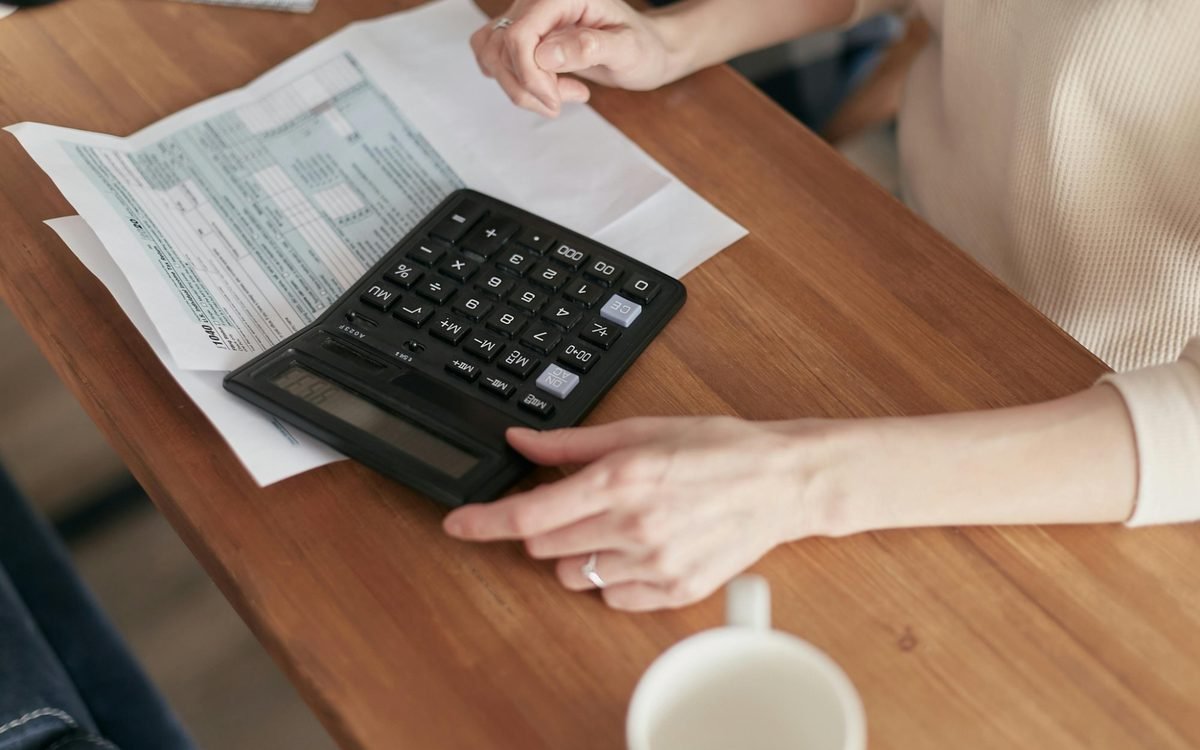
When I tried to "do budgeting properly", I did the classic thing — I opened Excel, because that's what responsible people do, right. Nice clean buckets: rent, food, fun, savings. Colour-coded fields. It made me feel wildly competent for about twelve minutes.
Then the month started. By mid-month I had no idea what was happening, because unless you're the kind of person who enjoys updating cells for fun (please seek help), a spreadsheet doesn't keep up with real life. It tells you what you hope will happen, not what is actually happening when you're tapping your card.
Enter the budgeting apps
Several years ago my husband and I took a punt with a budgeting app to really get on top of things. We went with YNAB (You Need a Budget), which has a devoted following — and I'm not surprised. But unless you get really into it, it can be too much. It has a steep learning curve. It connects to your bank and gives you the ability to assign pots and move things around, and it's excellent for tracking and data. My husband swears by it. If you want to try it, that link gets you a free trial.
Emma — the one that actually made it easy
For me, Emma was the first app that did enough but felt genuinely simple. It connects to your bank, pulls everything in, categorises your spending, and shows you what's going on. That's the whole point when you're busy and you just need the truth quickly.
Femme Finance has partnered with Emma because it's a solid starting point for women who want something straightforward without a PhD in personal finance to operate it.
The way I think about spending and saving
I'm not a fan of hard and fast rules. But if you're targeting a certain amount to save each month, you have to be prepared for the sacrifice that comes with it — though you don't always have to sacrifice the same things.
For example, I spent the past two years cutting food and supermarket spend and went cheap on coffee and cleaning products. But my values have shifted. I've decided to go more plastic-free, and I'm craving nicer coffee. So now I'm choosing to economise on eating out instead — still protecting what goes into savings, just redistributing where the trade-off lands.
This is what a budget is actually for. Not punishment. Helping you keep what matters by choosing what doesn't.
The point of the first £1,000
This first £1,000 is a brilliant milestone if you haven't started yet. At this stage it's more of a rainy day fund than a life-changing sum — but the habits you build to get there will carry you to every thousand after it.
If you're starting from scratch, do this
- Look back at the last month and find the leaks — subscriptions, "I forgot I still pay for that" — cancel what you don't use
- Pick a tool you'll actually open: Emma if you want simple, YNAB if you want full control and can tolerate the learning curve
- Set an automatic transfer the day after payday — small is fine, consistency is the point
Also on Femme Finance:
- How compound interest works — and why starting now matters
- The coffee habit compound interest experiment
- Money mistakes to avoid in your 30s
This post is for informational purposes only and does not constitute financial advice. Always consider your own circumstances before making financial decisions. Some links in this post are affiliate or referral links — I may earn a small reward if you sign up, at no cost to you. I only recommend products I've actually used.